







 FREE
FREE
Blog EN
- 1.55 Underı Height Increasing Evening Dress Strategies for Short Women
- 2026 Evening Dress Trends: Which Cuts Are Fashionable This Season?
- 5 Practical Methods to Increase Shoe Comfort - A "Painless" Night in High Heels
- A Guide to Balance and Proportion in Evening Dress Selection for Petite Women
- A Guide to Choosing Evening Dresses That Reflect Wedding Elegance for Sisters-in-Law
- A Guide to Hairstyles That Go Well with Stunning Earrings
- A Guide to Matching Shoes and Dresses to Make Your Legs Look Longer
- A Minimalist Jewelry Guide for a Glamorous but Understated Evening Style
- A Style Guide for Balance and Elegance at Family Gatherings
- Abroad Internationalışı International for those who will attend the wedding. Invitation Outfit Guide
- Add a Difference to the Night with Evening Dresses and Jumpsuits and ŞıA Lofty Touchş Katın
- After Invitationı Dress Care: First Done at Night. Requirements
- At what temperature should evening dresses be washed? Machine Washing Guide
- Auf welche Details sollten Sie bei der Auswahl eines Satin-Abendkleides achten?
- Backless Dress Models and Elegance Suggestions
- Bag Size Selection for Women Going to a Wedding Party
- Beach Yesterday Choosing the Appropriate Evening Dress for a Beach Organization
- Beaded Evening Dress Models and Elegance Tips
- Best Colors and Combination Suggestions for Wheat Skin
- Birthday Evening Dress Selection for Her Party: The Star of the Special Night Be
- Black Dress Models with Slits and Elegance Tips
- Budget Management in Evening Dress Shopping: Balancing Elegance and Savings
- Burgundy Evening Dress with Winter Attractive Invitations combinations
- Can You Wear a Watch with an Evening Dress?
- Cap Ceremony Dress Models and Graduation Elegance
- Care Tips for Evening Dresses Made with Natural Textured Fabrics
- Choosing a Stylish But Comfortable Dress for Open Air Concerts and Festivals
- Choosing Foundation in Evening Dress Make-up: Avoiding Make-up That Explodes in Flash
- Choosing Perfume Suitable for Evening Wear: Match Your Scent to Your Combination
- Choosing Shoes for Beach and Garden Weddings - How to Prevent the Heel from Entering the Soil?
- Choosing the Right Belt and Waist Accessory for an Elegant Silhouette
- Choosing the Right Earrings for Evening Dresses: Earring Guide by Collar Type
- Clothes Hangersı What to do if it is falling?
- Clothing Suggestions That Provide Body Balance for Women with Broad Shoulders
- Clothing Tips to Balance Posture for Women with Narrow Shoulders
- Collar Types and Evening Dress Models That Make Broad Shoulders Look More Elegant
- College Graduation Dresses 2026 Trends
- Color Shades and Combination Ideas That Suit Dark Skin Best
- Color Shades and Combination Ideas That Suit Dark Skin Best
- Comfortable and Stylish Suggestions to Reflect Your Style with Concert Outfits
- Correct Combination Details in Long Evening Dresses for an Elegant Look
- Curvy Evening Dress Models for Women with Rectangular Body Type
- Day Combination as a Guest at the Engagement Ceremony
- Designed Daily Dresses and Combination Suggestions
- Differences Between Polyester Satin and Silk Satin To understand
- Dinner Dress Models and Elegance Suggestions
- Do not wear high-heeled shoes in long dresses. How to Wear for Weddings?
- Does applying perfume on an evening dress damage the fabric?
- Dress Choices That Hide Body Flaws and Make You Look Slimmer
- Dress Cuts and Style Tips That Make You Look Taller
- Dress Cutting Suggestions for Women with Wide Hips
- Dress Suggestions for a Gender Party
- Dressing Casual for the Wedding Ceremony: What are the Rules?
- Dressy But Comfortable Clothing Suggestions for Pregnant Women for a Wedding Party
- Enjoy Permanent Perfume with Night Dress Professional Ways to Increase
- Evening Dress and Hairç Buckleı and Crown: Headpiece Accessoriesı How to Choose?
- Evening Dress Combinations in Old Money Style
- Evening Dress Models That Make Overweight Women Look Slim
- Evening Dress Pricesı How Does It Depend?
- Evening Dress Sleeve Bottomı How to Hide Extracts?
- Evening Dress Sleeve Models That Make Thick Arms Look Thin - Chiffon Sleeves, Spanish Cuts and Illusions
- Evening Dress Sleeve Styles That Make Thick Arms Look Slimmer
- Evening Makeup Techniques That Make Your Eyes Look More Slanted
- Everything About Tweed Fabric: Its Structure, Properties and Uses
- Expert Advice on Choosing Evening Gown Colors Based on Skin Undertone
- Fairy Tales in Princess Model Evening Dresses Stability for Appearance Tipsı
- Family Meeting Outfit Suggestions That Strengthen First Impressions
- For Eid Visits, there are many but covered places. Choosing a Dress
- For the Bride's Brother Combination Suggestions That Don't Outshine
- For Which Occasions Is a Backless Dress More Appropriate?
- For which occasions is a tulle evening dress suitable and how should it be combined?
- Fragmentedış Sequin and Spilled Bead Repair How to do it at home?
- French Bun and Chignon Hair for Evening Dress Model Guide
- French Stitch Used in Evening Dress Sewing. and Comparison of Overlock Techniques
- Gala Evening Dress Suggestions: 10 Evening Dress Suggestions
- Garden Wedding How to Choose a Dress for China?
- Golden Rules for Choosing the Most Suitable Evening Dress Color According to Skin Color
- Golden Rules for Using Shimmer Correctly in Evening Makeup
- Guide to Sewing Techniques Suitable for Dress Form
- Guide to Summer Dresses Suitable for Outdoor Activities
- Hair Selection According to Evening Dress Collar Model - Bun, Ponytail or Open Hair?
- Hair Suitable for Evening Dress Models Catalog: Star of the Night Are you ready to be?
- Hip Camouflage Evening Dress Guide for Women with Pear Body Type
- Hollywood Styleı Red ; Halı dresses
- How Can I Find the Best Cocktail Dress?
- How Should Tall Women Choose Evening Dresses?
- How Should You Choose a Modest Evening Dress?
- How to Achieve Balance and Elegance in One-Shoulder Evening Dresses?
- How to Choose a Young Mother-in-Law's Evening Dress?
- How to Choose an Evening Dress Based on Your Body Type?
- How to Choose Colors for an Evening Dress?
- How to Choose Engagement Dresses and Promise Dresses?
- How to Choose Maternity Evening Dress? Suggestions for Comfortable and Stylish Maternity Dresses That Do Not Tighten the Abdominal Area
- How to Choose the Right Collar Type According to Body Type?
- How to Choose the Right Evening Dress to Look More Fit?
- How to Choose the Size When Shopping for Evening Dresses Online? Turkish Size Chart Guide
- How to Clean Sequined Dresses? Things to Consider When Caring for Straws at Home
- How to Combine a Black Satin Dress and Which Shoes to Wear It With?
- How to Combine a Stoned Evening Blouse, Which Skirt or Trousers Match It?
- How to Combine Chiffon Blouses and Elegant Evening Blouses?
- How to Combine Pearl Evening Dresses and Which Accessories Match Them?
- How to Combine Vintage Style Evening Dresses?
- How to Create a Modest Evening Dress Outfit?
- How to Create a Stylish and Harmonious Outfit for a Wedding Ceremony?
- How to Determine the Right Dress Length for the Occasion? Style Tips
- How to Find the Right Tone in Gold and Gold Colored Evening Dresses?
- How to Hide the Belly Area in Evening Dresses? Illusions That Make You Look Weak
- How to Incorporate the Elegant Piece into Your Daily Style with Abaya Fashion?
- How to Make the Right Fabric Combination for the Season?
- How to Measure Shoulders? Simple Methods for a Correct Fit
- How to preserve a wedding dress?
- How to Prevent Clothes from Sticking to Legs? 5 Methods to Eliminate Static Electricity
- How to Prevent Glitter Shedding on Sparkly Dresses? Practical and Effective Solutions
- How to Prevent Static Electricity in Evening Dresses?
- How to Prevent Sweat Marks on Satin Dresses? Practical Solutions to Prevent Fabric from Staining
- How to Read the "Size Chart" Correctly When Buying an Evening Dress?
- How to remove elastic on an evening dress? Stretch and Elastic Stretch Removal
- How to remove make-up stains on evening dresses?
- How to Remove the "Heavy Perfume Smell" from Evening Dresses Without Washing?
- How to Remove Water Stains on Satin Dress?
- How to Shorten a Long Dress If It Hits the Floor?
- How to Solve the "See-through" Problem in Evening Dresses? Lining and Laundry Selection Guide
- How to Style a Long Evening Dress?
- How to Style a Plus-Size Evening Dress?
- How to Style a Short Evening Dress?
- How to Use Highlighter to Brighten the Skin and Pair it with Evening Wear
- How to Wash a Satin Dress?
- İFirst Suspenderı Love in Dressesı No breakı How to prevent it?
- Impressive Look Suggestions with Evening Dress Models Suitable for Short Hair
- In which combinations can evening blouse models be used?
- In Which Season Should You Wear a Double-Breasted Dress, Day or Night?
- In Which Seasons Should Ecru Evening Dresses Be Worn? Which Colors Should They Be Combined With?
- In Which Seasons Should Long Sleeve Maxi Dresses Be Preferred?
- Interpreting Classical Elegance with Modern Details with Gloved Evening Dresses
- Invitation Dress for Breastfeeding Mothers: Practical and Outfit Combination Solutions
- Invitation Dress Models and Combination Suggestions
- Is a Chiffon Evening Dress Suitable for Every Occasion?
- Is the Strapless Jumpsuit Evening Dress Suitable for Daily Wear or for Events?
- İSlim Legsı Leg Lines for Women Balancing Evening Dress Guide
- Kış Combining a Coat as a Wedding Guest
- Kış Invisible Heat is the best way to stay in your wedding. Layerı Secretsı
- Layered with Jacket Evening Dress Combinations and Impressive Night Style Suggestions
- Lining Fabricş The Effect of Selection on the Dress Fit
- Long Mermaid Dress Models and Combinations
- Low-Cut Evening Dress Models and Combination Suggestions
- Makeup Color Palettes That Make Skin Tone Look Warmer
- Mermaid Skirt Models and Combination Suggestions
- Middle Agesş Age Appropriate But Young for Women Appearance Evening Dress Models
- Mini Cut Celebration Combinations Suitable for Young Spirits
- Modern Evening Dress Design Details That Emphasize the Waistline
- Mother of the Bride: Elegant Combination Suggestions for Age
- Natural with Bohemian Style Wedding Dresses Reflective Ideas
- New Year's Eve Dress Models and Combinations
- One-Shoulder Long Dress Models and Elegance Tips
- Oration Ceremony Outfit Selection: A Guide to Ordination for the Woman Taking the Oration
- Outerwear Suggestions to Wear Over Elegant Evening Dresses in Cold Weather
- Outfit Suggestions for Mother and Guests for the Circumcision Ceremony
- Pastel Evening Dress Colors 2026: Top Options for Spring Weddings
- Patterned Satin Dress Models and Trends
- Permanent Matching Evening Dress with Make-up (Microblading, Lip Painting)
- Platform Heels or Stilettos with a Long Dress?
- Pose-Friendly Dress Cuts for a Photogenic Look
- Practical Methods to Hide Sewing Errors in Evening Dresses
- Practical Tips for Maintaining the Drape of Evening Gown Fabrics
- Practical Ways to Save Tight Evening Dresses
- Pre-Event Moisturizing Routine According to Skin Type
- Professional Steps for Overnight Long-Lasting Makeup: The Secrets to a Flawless Look
- Proper Care Guide for Professional Cleaning of Evening Dresses
- Proper Cleaning and Washing Methods for Satin Fabric Dresses
- Quick Pre-Invitation Preparation: A Flawless Look in 30 Minutes
- Red ; Lip mı Smokyı Eye? Makeup Preference According to Evening Dress
- Red Carpet Chic Outfit Tips: Be the Star of the Night!
- Ruffles and Flywheelı Evening Dress Models: Who Should Wear It, How to Wear It?
- Sailing Clubü Nautical Guide to Marina and Marina Parties
- Satin Fabric's Weight How Does It Affect the Quality of Evening Dresses?
- Secret Comfort Tactics for Staying Comfortable in High Heels
- Secrets to Staying Comfortable in High Heels All Day Long
- Selection Guide for A-Line Evening Dresses that Camouflage the Hips
- Sequined Evening Dress Combinations and Style Tips
- Sewing Machine Settings and Correct Needle Use for Delicate Fabrics
- Şİİİ in transparent Dress How to fix the display problem?
- Silver and Metallic Evening Dress Combinations: Adjusting the Shine Correctly
- Silver Or Gold? Plugı Guide to Metal Color Selection
- Simple But Impressive Look with Powder and Nude Evening Dress Models
- Simple Evening Dress Hair Ways to Create Minimalism with Models
- Sleeveless Long Dress Models and Combinations
- Song Clothes at Home: How to Prepare a Perfect Look in 30 Minutes?
- Sparkle with Lurex Dresses How to Create Night Style?
- Sparkling Henna Night Styles Inspired by Tradition
- Storage Techniques to Prevent Heavily Embroidered Dresses from Losing Their Form on Hangers
- Style Details to Consider When Choosing an Evening Bag
- Style of Square Neck Evening Dresses According to Body Type Secretsı
- Stylish Evening Blouse Models and Combinations
- Stylish Mother Combinations for Baby Showers and Teething Days
- Summer Day Cooling Dress Alternatives for Yesterdays
- Summer Evening Dress Suggestions
- Suspenders Bra Selection Guide for Dresses
- The Best Dress Length Guide for Your Body Type
- The Effect of Using Whale and Corset Belt in Evening Dress Sewing on the Silhouette
- The Ideal Dress Styles for Women with Large Breasts
- The Most Appropriate Fabric Selection Methods According to Body Type
- The Most Appropriate Ironing Methods for Satin, Chiffon and Lace Fabrics
- The Most Elegant Ways to Balance the Sparkle in Gold Evening Dresses
- The Most Ideal Evening Dress Models for Women with Apple Body Type
- The Most Popular Updo Hairstyles for Evening Dresses
- The Most Suitable Evening Dress Models and Color Palette for Spring Weddings
- The Stranger in the Evening Dress Practical Ways to Remove Odor Without Washing
- The Stranger in the Evening Dress Practical Ways to Remove Odor Without Washing
- The Subtleties of Choosing an Elegant and Stylish Dress: Modern Style Suggestions
- Thin Chain Necklace Trend 2026: How to Layer It? Is it portable?
- Things to Consider When Shopping for Plus Size Evening Dresses Online
- Tie-Dye Dress Models and Trends
- Tips for Achieving Evening Wear Harmony with Soft Glam Makeup
- Tips for an Elegant and Meaningful Look on Your Promise Day
- Tips for Choosing the Right Shoe Color for Your Evening Dress
- Tips for Dark Elegance in Evening Dresses for Gothic Style Lovers
- Tips for Maintaining Pattern When Working with Heavy Fabrics
- Tips on Choosing the Most Suitable Evening Dress Size for Your Body
- Tulle Blouse Models and Combinations
- Using Accessories to Enhance the Cleavage
- Velvet Jumpsuit Models and Stylish Combinations
- Vintage Wedding Dress Fashion from Past to Present
- Ways to Add Volume to Evening Dresses Using Tarlatan: The Way to Perfect Silhouettes
- Ways to Look Both Stylish and Matching with Long Sleeve Graduation Dresses
- Wedding Invitation Dresses and Elegant Combinations
- Wet Hairç Can it be used in trendy invitations?
- What are Modest Evening Dress Styles? Modest Evening Dress Suggestions!
- What are the Different Types of Evening Dress Fabrics? Which Fabric is the Best?
- What are the Dress Models? Which Model is Worn When?
- What are the Summer Evening Dress Styles? Which Colors Should Be Used?
- What Details Should You Pay Attention to When Choosing a Satin Evening Dress?
- What is a toilet dress? Toilet dress guide
- What is an After Party Dress? How to Choose One?
- What is an Outdoor Dress and Where and What to Wear It?
- What is Bohemian Evening Dress?
- What is the Spoon Body Type and How to Identify Your Own Shape?
- What Should a Graduation Dress Be Like? Graduation Dress Suggestions!
- What Should a Wedding Witness Wear? Multiple Combination Suggestions
- What should be done if there is a stain on the dress during the wedding?
- What Should I Wear to a Wedding?
- What Should Wedding Dresses Be Like?
- What Should You Pay Attention to When Choosing a Taffeta Dress?
- What Style of Evening Dresses Should Plus-Size Women Choose?
- What to Consider When Choosing a Velvet Evening Dress?
- What to Wear at Request? Style Tips for Traditional and Modern Choices
- What to Wear to a Day Wedding? Evening Dress Guide to Uninterrupted Elegance
- What to Wear to a Wedding in the Countryside?
- What to Wear to Request? Style Tips for Traditional and Modern Choices
- What to wear under your evening dress? Çwashingşırı Should it be worn? Invisible İç Clothing Guide
- What to Wear with a Simple Wedding Dress? Jacket, Shawl and Bolero Combinations
- What You Need to Know About Evening Dresses and Helpful Tips!
- Where Should Evening Dress Length End? Ideal Hem Length According to Shoe Heel
- Where Should Lace Dress Models Be Preferred?
- Where to Wear Black Mermaid Model Evening Dress, What Occasions is It Suitable for?
- Which Accessories Complete Your Look with an Evening Shirt?
- Which Bag to Use with a Long Dress?
- Which Body Types Are Suitable for Slit Evening Dresses and Where Are They Preferred?
- Which Bracelet to Wear with Evening Dress? Metal, Leather and Chain Options
- Which dress colors pair perfectly with gold and silver accessories?
- Which Evening Dress Blouse Types Look More Elegant in Which Combinations?
- Which Evening Dress Colors Make You Look Most Slim?
- Which Evening Dress Makes You Look Slimmer?
- Which Evening Dress Should Be Worn Where? What Are the Most Popular Evening Dress Styles?
- Which Evening Dress Should I Wear in Which Season?
- Which Fabric Should You Choose When Buying an Evening Dress? More Durur?
- Which is the Most Elegant Option Among Evening Blouses for a Wedding?
- Which Modest Dress Should I Wear to Which Event?
- Which Necklace Goes with Which Collar Type? Jewelry Guide for V-Neck, Boat Neck and Magnificent Collar
- Which Patterns and Cuts Make You Look Slim in Plus Size Evening Dresses?
- Which shoes to pair with a backless evening dress?
- Which Skin Tone Suits the Aqua Green Dress Best?
- Which Style of Off-the-Shoulder Dress is Suitable for Women?
- Which Style of Otrish Dress Models Are Suitable for Women?
- Who Suits Balloon Dress Models Best?
- Why Do "Fabric Pots" Occur in Evening Dresses? Tailor Tips for the Perfect Look
- Why Do Evening Dresses Lose Shape on Hanger and How to Prevent It?
- Why is a Velvet Evening Dress Ideal for Winter Occasions?
- Why is a White Long Sleeve Dress a Classic Choice?
- Wide in Inverted Triangle Body Type Shouldersı Balancing Evening Dress Models
- Women's Long Dress Models and Combinations
- Women's Winter Dress Models 2025
- Wrinkle-Free Evening Dress Fabrics - The Best Options for Long-Stay Events and Travels
- Youngç Modern and Safe Dress Selection for Plus Size Women
- Zipper and Lining Selection Guide Based on Fabric Elasticity
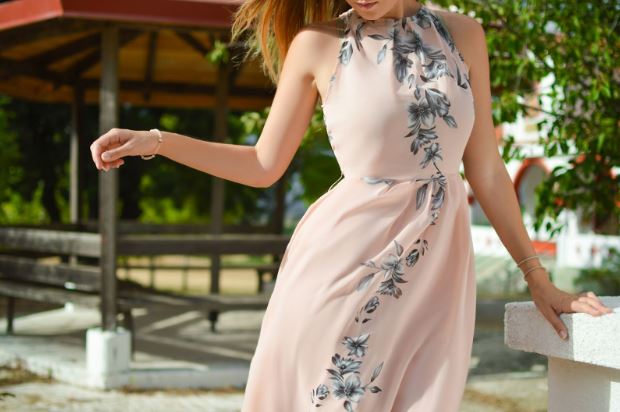
Expert Advice on Choosing Evening Gown Colors Based on Skin Undertone
When choosing an evening gown, most people focus on the style, cut, and fabric details. However, the most critical element in making an evening gown truly look stunning is color. The right color choice can make the skin look more vibrant, healthy, and smooth, while the wrong colors can make even the most elegant design look pale and tired. Therefore, color analysis of evening gowns is one of the most emphasized topics by style consultants and fashion experts.
The key determining factor here is not skin color, but skin undertone. Undertone is an innate characteristic that is independent of the skin's surface color and does not change over time.
What is skin undertone and how is it determined?
Skin undertone is defined by whether the skin has a yellow, pink, or balanced reflection. It is generally divided into three main groups: warm, cool, and neutral. Skin color can be light, medium, or dark; however, undertone is independent of this classification. Someone with light skin may have a warm undertone, while someone with dark skin may have a cool undertone.
One of the most common ways to determine your undertone is through makeup undertone tests. The color of your wrist veins provides important clues. If the veins appear close to green, it indicates a warm undertone; if they are blue-purple, it suggests a cool undertone. If they appear both green and blue, you most likely have a neutral undertone. The way gold and silver jewelry looks on the skin is also a frequently used method for undertone analysis.
Choosing the right undertone makes a big difference not only in evening gown selection, but also in makeup, hair color, and accessory choices. Therefore, undertone color harmony is considered one of the cornerstones of overall style.
Evening Dress Color Selection for Warm Undertone Skin Tones
Warm undertones in skin have yellow, golden, or peachy undertones. Those with this skin type generally tan easily in the sun and look more harmonious with warm metallic tones. At this point, the question "Which colors should people with warm undertones choose?" becomes quite crucial.
The most ideal evening wear colors for warm undertones come from the warm color palette. Gold, champagne, coral, terracotta, cinnamon, warm red, and copper tones look extremely vibrant on this skin type. Olive green, emerald, and warm brown tones are also strong alternatives for both evening events and special occasions.
These colors support the skin's natural warmth, creating a healthier and more radiant look. Very cool and gray-based colors, on the other hand, can sometimes create a dull effect on skin with warm undertones. Therefore, if pastels are preferred, choose pastels with peach or cream undertones, not blue undertones. A color analysis of formal wear allows these subtle details to make a difference.
Cool Undertoned Skin and Pastel Shade Harmony
Cool undertones in skin have pink, red, or bluish undertones. People with this skin type generally look better in silver jewelry, and their skin can easily appear flushed in warm-toned colors. Therefore, the question "Which pastel shades suit cool undertones?" is particularly important for those who love romantic and elegant evening wear.
Skin with cool undertones has a significant advantage when it comes to wearing pastel colors. Pastel shades like powder pink, lilac, lavender, baby blue, and ice green offer a balanced and sophisticated look on this skin type. Similarly, pure white, navy blue, plum, and cool burgundy tones also look extremely elegant on cool undertones.
Yellow and orange-based colors can create a harsh contrast on cool-toned skin. This can overemphasize the skin's natural pinkness, creating a tired look. Therefore, attention should be paid to the base color of pastel shades, ensuring undertone harmony.
Is a neutral skin undertone really more advantageous?
Neutral undertone skin exhibits a balanced blend of warm and cool undertone characteristics. This skin type shows neither a pronounced yellow nor an intense pink reflection. This often leads to the question, "Is having a neutral skin undertone more advantageous?"
Skin with neutral undertones is truly more flexible in terms of color palette. Both warm and cool colors can look harmonious on this skin type. Black, white, red, beige, pastel shades, and jewel colors can be easily used on neutral undertones. This offers a wider range of options when choosing evening wear.
However, this flexibility doesn't mean you can make random choices. Colors that are too pale or too saturated can create an unbalanced effect, even on neutral skin tones. Therefore, personal color analysis is crucial, even with neutral undertones. The fabric of the dress, its reflection under light, and its harmony with makeup must all be considered.
The Role of Makeup in Evening Dress Color Analysis
There's a strong connection between the color of an evening gown and makeup. The right makeup complements the dress's color, while the wrong shades can ruin the entire look. Therefore, professionals recommend considering makeup undertone tests when choosing an evening gown.
For skin with warm undertones, gold and peach-based makeup creates a harmonious look that complements the dress color. For cool undertones, pink and rose tones offer a more balanced appearance. For neutral undertones, both warm and cool makeup tones can be used in a controlled manner. This harmony is an integral part of evening gown color analysis.
Color Selection Based on Light, Space, and Season
When choosing an evening gown color, not only the undertone but also the venue and lighting conditions of the event should be considered. Some colors that look natural in daylight may make the skin look pale in evening light. Yellow light, in particular, makes warm colors more prominent, while white light emphasizes cool tones.
Season is also an important factor here. Light and pastel tones create a more refreshing effect in the summer months, while deep and saturated colors look more harmonious with the skin at winter events. Undertone color harmony, when considered together with environmental factors, gives the most accurate result.
The Power of Style: Choosing an Evening Gown That Matches Your Skin Undertone
Choosing the right evening gown color isn't just an aesthetic choice; it's also a powerful style statement. Colors that complement skin undertones highlight natural beauty and project a confident demeanor. The wrong colors, however, can detract from even the most perfect cut.
Therefore, it's important to know that not every trending color suits everyone. Personal color analysis transforms fashion into an individual experience and allows for more conscious wardrobe creation. This approach both simplifies the shopping process and offers long-lasting style.
The Right Color, Flawless Effect
When choosing an evening dress, color is just as important as the style and cut. Colors that complement your skin undertone make the skin appear brighter, healthier, and more balanced. Regardless of whether you have warm, cool, or neutral undertones, with the right analysis, there are ideal evening dress colors for every skin type.
It should be remembered that elegance is not a coincidence, but the result of conscious choices. Color analysis and undertone harmony in evening gowns are among the most powerful tools for making these conscious choices. An evening gown complemented by the right colors will make you look not only elegant but also impressive and professional.

 Delete